
Why The Journey from Designer Sketch to Finished Product Matters
The world of fashion is a captivating blend of creativity and craftsmanship, and the journey from a designer’s sketch to a finished product is a fascinating process that deserves attention. This transformation showcases the intricate steps involved in bringing an idea to life, revealing the dedication and artistry that goes into each piece of clothing.
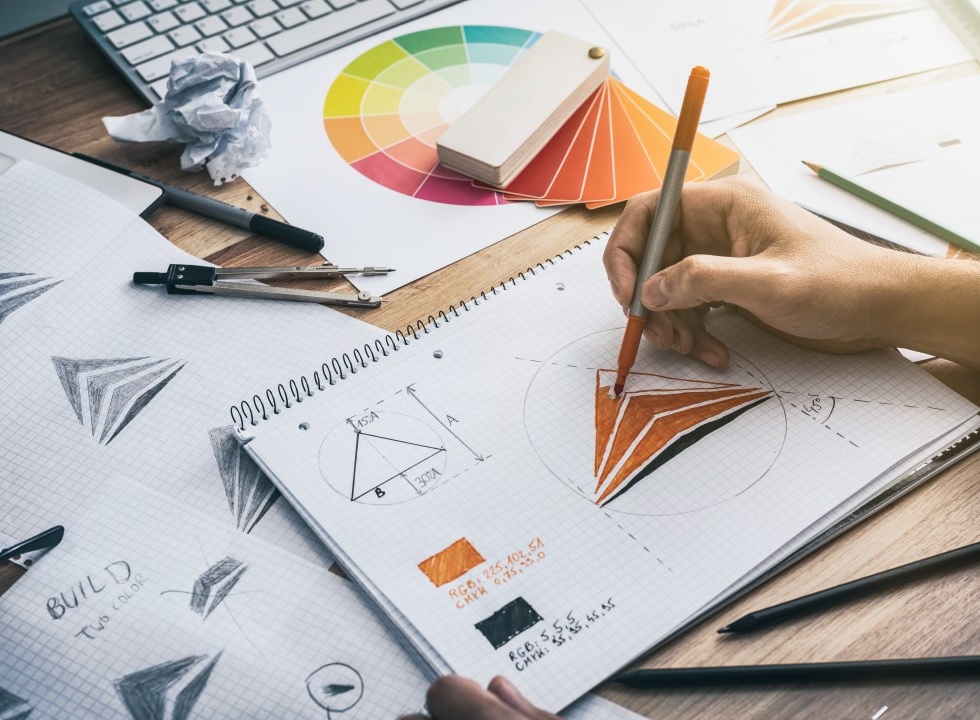
It all begins with the initial sketch, where designers pour their thoughts and inspirations onto paper. This stage is crucial as it sets the tone for the entire creation process. Designers often draw from various influences, whether it’s a specific era, cultural elements, or personal experiences. These sketches serve as a visual representation of their vision, capturing the essence of what they aim to create. It’s a moment of pure imagination where anything is possible, and the designer’s personality shines through.
Once the sketch is complete, the next step involves selecting materials. This part of the process is significant because the choice of fabric can drastically alter the final product. Designers consider texture, color, and sustainability when sourcing materials. High-quality fabrics not only enhance the garment’s aesthetic but also play a role in its functionality and comfort. This careful selection process reflects the designer’s commitment to quality and their understanding of what will resonate with consumers.
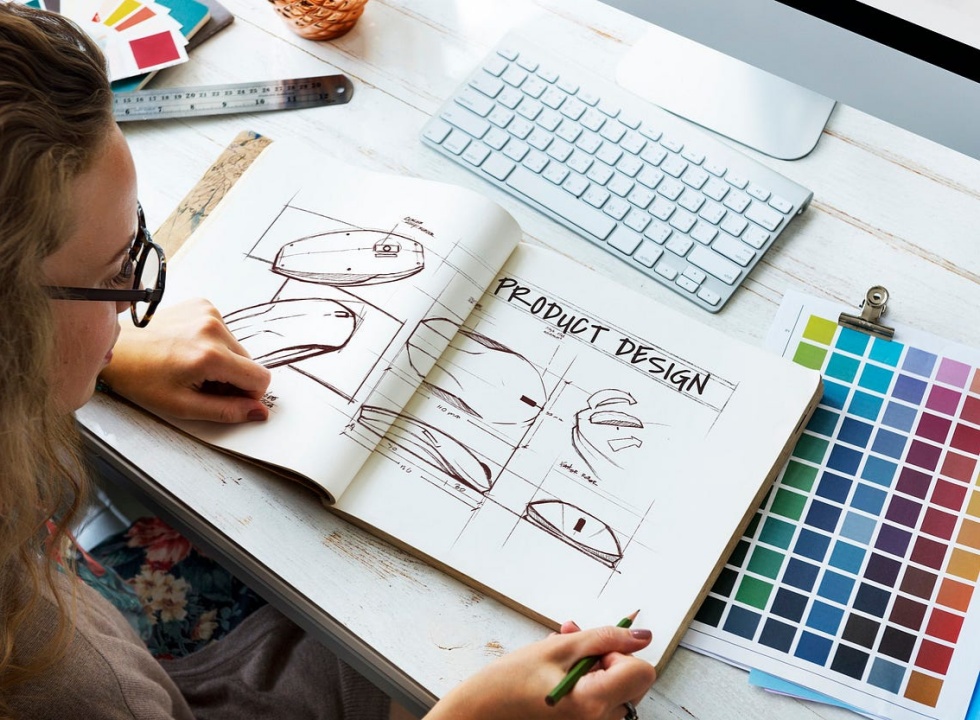
After materials are chosen, the real magic begins with the creation of prototypes. This stage often involves collaboration with skilled pattern makers and seamstresses who translate the sketches into tangible pieces. The prototype serves as a test run, allowing designers to see how their ideas translate into three-dimensional form. Adjustments are often necessary at this stage, whether it’s altering the fit or refining design details. This back-and-forth process is essential for achieving the perfect balance between artistic vision and practical execution.
Once the prototype is finalized, the next phase is production. This stage can vary greatly depending on whether the designer opts for mass production or limited editions. For mass production, maintaining quality across numerous pieces becomes a priority. Designers must work closely with manufacturers to ensure that every item meets their standards. This collaboration can be challenging, but it’s vital for delivering a consistent product to consumers.
Marketing also plays a crucial role in this journey. As the finished product nears completion, designers often strategize how to present their creations to the world. This involves everything from lookbooks to social media campaigns, where the story behind the collection is shared. Effective marketing not only showcases the garments but also connects with potential buyers on an emotional level. It’s about creating a narrative that resonates and draws people in.
When the garments hit the shelves, it’s a moment of celebration. The journey from sketch to finished product is complete, but it’s only the beginning of a new story. Consumers engage with the designs, and each piece finds its way into someone’s wardrobe, adding to the rich tapestry of fashion. The satisfaction of seeing an idea come to life and being embraced by others is what drives designers to continue pushing boundaries and exploring new horizons.
The entire process, from the initial sketch to the final product, is a testament to the hard work and creativity that define the fashion industry. Each step is interconnected, revealing the passion and dedication that make fashion not just a business but an art form. Understanding this journey deepens appreciation for the garments we wear and the stories they carry.
