
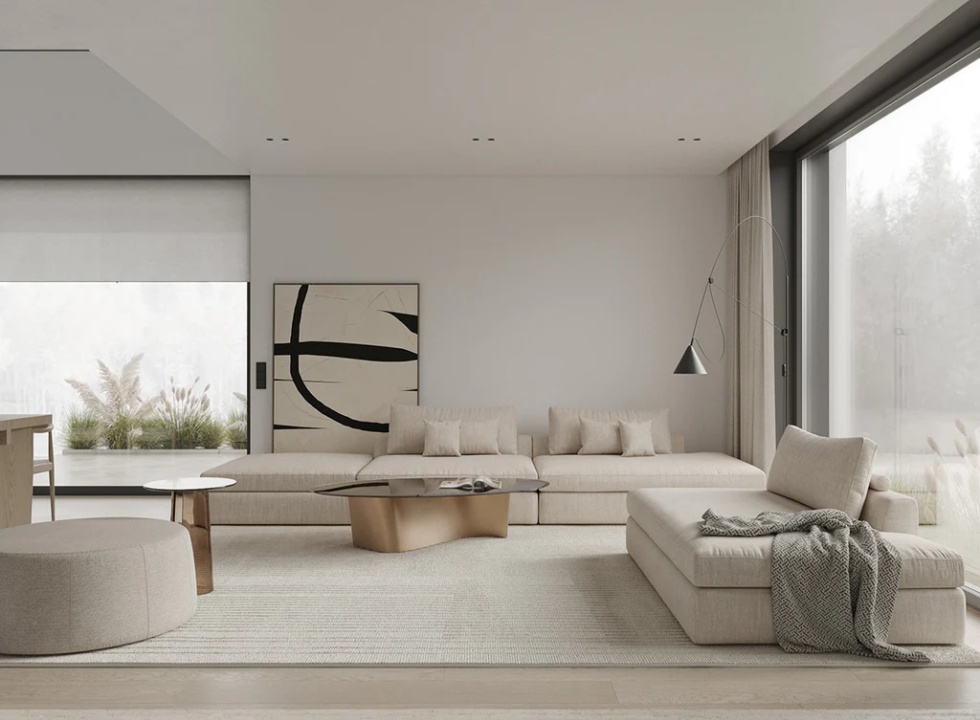
Why Minimalist Design Captivates Our Aesthetic Sense
Minimalist design has a way of drawing people in with its simplicity and elegance. This aesthetic is all about stripping away the unnecessary, leaving behind only what truly matters. The appeal lies in its ability to create serene spaces and objects that feel both modern and timeless. When you look at minimalist designs, there’s a certain clarity that emerges, making everything feel more intentional.
One of the key aspects of minimalist design is its focus on functionality. Each element serves a purpose, which enhances the overall experience. This functionality doesn’t mean sacrificing beauty; rather, it highlights how form and function can coexist harmoniously. Designers often use clean lines and neutral color palettes to evoke a sense of calm, allowing the viewer to appreciate the craftsmanship involved. This careful balance between aesthetics and practicality is what makes minimalist pieces so enduring.
Another reason minimalist design resonates is its versatility. Whether in architecture, fashion, or product design, minimalism can adapt to various contexts while maintaining its core principles. This adaptability makes it appealing to a wide audience. People from different backgrounds appreciate the way minimalist designs can fit seamlessly into their lives, regardless of personal style. It’s a universal language that speaks to the desire for clarity and order in an often chaotic world.
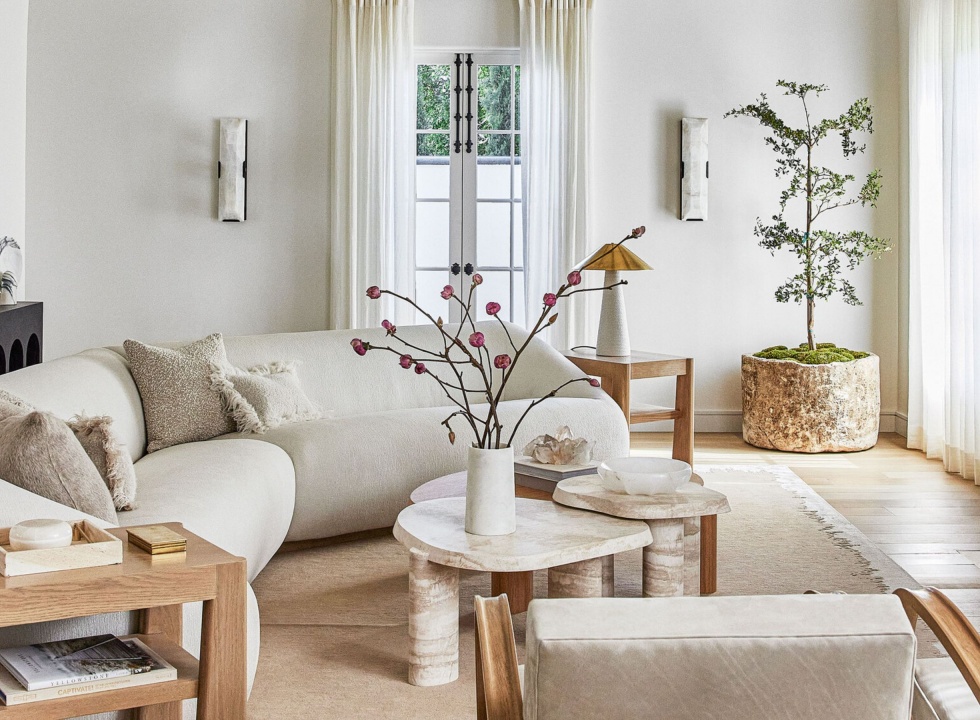
Social media has played a significant role in the rise of minimalist aesthetics. Platforms like Instagram and Pinterest showcase beautifully curated minimalist spaces, inspiring countless individuals to embrace this style. The visual nature of these platforms allows users to share their interpretations of minimalism, creating a community that appreciates simplicity. This online presence has made minimalist design not just a trend but a lifestyle choice for many.
Sustainability is another important aspect of minimalist design. By focusing on fewer, high-quality items, individuals can reduce waste and consumption. This approach encourages mindful purchasing, promoting a lifestyle that values quality over quantity. Designers are increasingly incorporating sustainable materials into their work, aligning with the growing awareness of environmental issues. This shift not only benefits the planet but also enhances the appeal of minimalist design, as it resonates with those who prioritize ethical choices.
Personal expression is also a vital part of the minimalist aesthetic. While minimalism emphasizes simplicity, it doesn’t mean sacrificing individuality. People find unique ways to incorporate their personalities into minimalist spaces, whether through carefully chosen decor or personal touches. This blend of simplicity and self-expression allows minimalist design to feel both personal and universal, making it accessible to everyone.
The beauty of minimalist design lies in its ability to evoke emotions through simplicity. It invites contemplation and appreciation for the finer details, encouraging a deeper connection with the surrounding environment. This aesthetic reminds us that sometimes, less truly is more, allowing us to focus on what brings us joy and fulfillment. Embracing minimalism can lead to a more intentional way of living, where every choice reflects our values and desires. The allure of minimalist design continues to inspire and captivate, inviting us to explore its many facets.
