
How Increasing Protein Intake Can Transform Your Diet
Boosting protein intake can make a significant difference in overall health and wellness. Whether aiming to build muscle, lose weight, or simply maintain a balanced diet, protein plays a crucial role. How to effectively incorporate more protein into daily meals can lead to better energy levels and improved body composition.
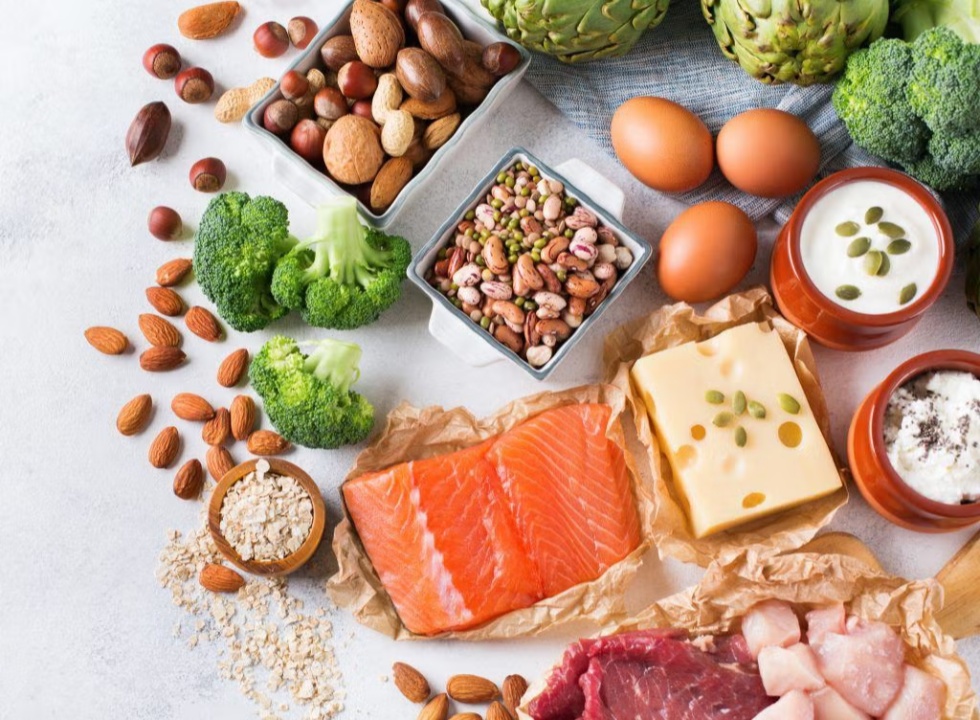
One of the easiest ways to increase protein intake is by choosing high-protein foods. Lean meats like chicken, turkey, and fish are excellent sources of protein. Incorporating these into meals not only adds flavor but also helps meet protein goals. For those who prefer plant-based options, legumes such as lentils, chickpeas, and black beans provide a hearty protein punch. Nuts and seeds also offer a great source of protein along with healthy fats, making them a perfect snack option.
Breakfast is a fantastic opportunity to boost protein intake. Starting the day with a protein-rich meal can set a positive tone for the rest of the day. Options like Greek yogurt topped with fruits and nuts or scrambled eggs with vegetables can provide a solid protein foundation. Smoothies can also be enhanced by adding protein powder or nut butter, creating a delicious and nutritious start to the day.
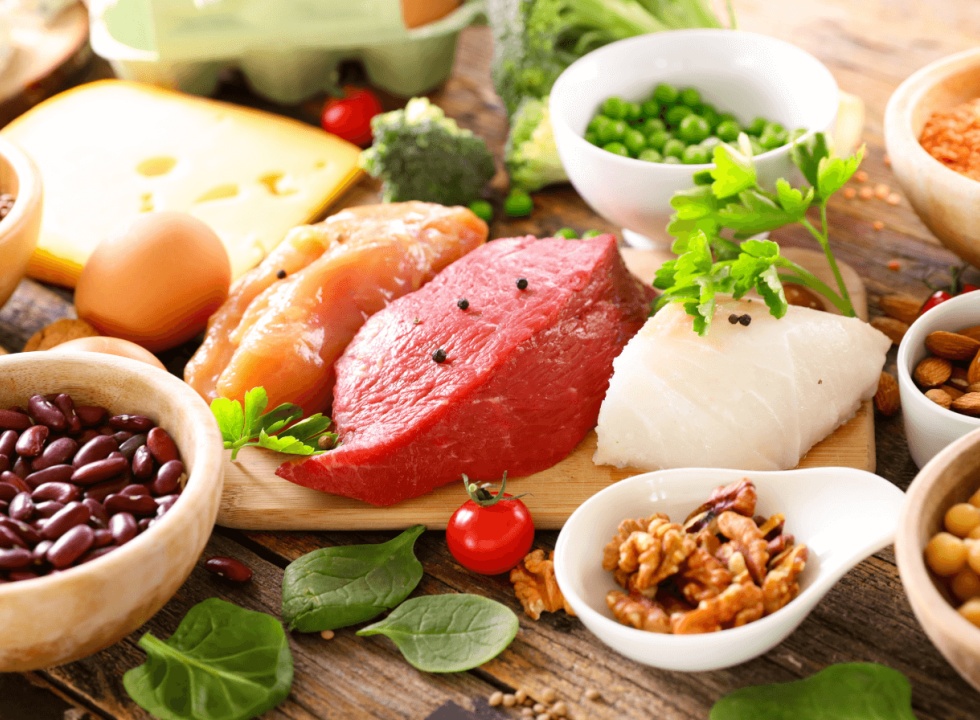
Snacking is another area where protein can shine. Rather than reaching for sugary snacks or processed foods, opting for protein-rich snacks can help keep energy levels stable. Things like cottage cheese, hard-boiled eggs, or protein bars can satisfy hunger while contributing to daily protein goals. Preparing snacks in advance can also make it easier to stick to healthier choices throughout the day.
Meal prepping can be a game changer for those looking to increase protein intake. Planning and preparing meals in advance allows for better control over what goes into each dish. Cooking larger batches of protein-rich foods, such as grilled chicken or quinoa, means having ready-to-eat options available. This not only saves time during busy weekdays but also ensures that meals remain balanced and nutritious.
Incorporating protein into all meals is essential for maximizing benefits. Adding protein sources to salads, soups, and stir-fries can enhance the nutritional profile of these dishes. For instance, tossing some grilled chicken into a salad or adding beans to a soup can make a meal more filling and satisfying. This approach helps maintain energy levels and curbs cravings throughout the day.
Timing can also play a role in how protein is utilized by the body. Distributing protein intake evenly throughout the day can enhance muscle protein synthesis. This means that rather than loading up on protein at just one meal, spreading it out can be more beneficial. Aiming for a source of protein in each meal and snack can help achieve this balance.
Hydration is often overlooked when discussing protein intake. Drinking enough water is essential, especially when consuming higher amounts of protein. Adequate hydration supports digestion and helps the body process protein efficiently. Keeping a water bottle handy can serve as a reminder to stay hydrated throughout the day.
Listening to the body is crucial. Everyone’s protein needs can vary based on activity levels, goals, and individual health conditions. Paying attention to how the body responds to increased protein intake can provide insights into what works best. Making adjustments based on energy levels and overall well-being can lead to a more satisfying dietary experience.
Increasing protein intake can lead to numerous health benefits, enhancing both physical and mental well-being. By choosing high-protein foods, snacking wisely, meal prepping, and staying hydrated, individuals can effectively transform their diets. Embracing these strategies can create a more balanced approach to nutrition, supporting a healthier lifestyle.
