
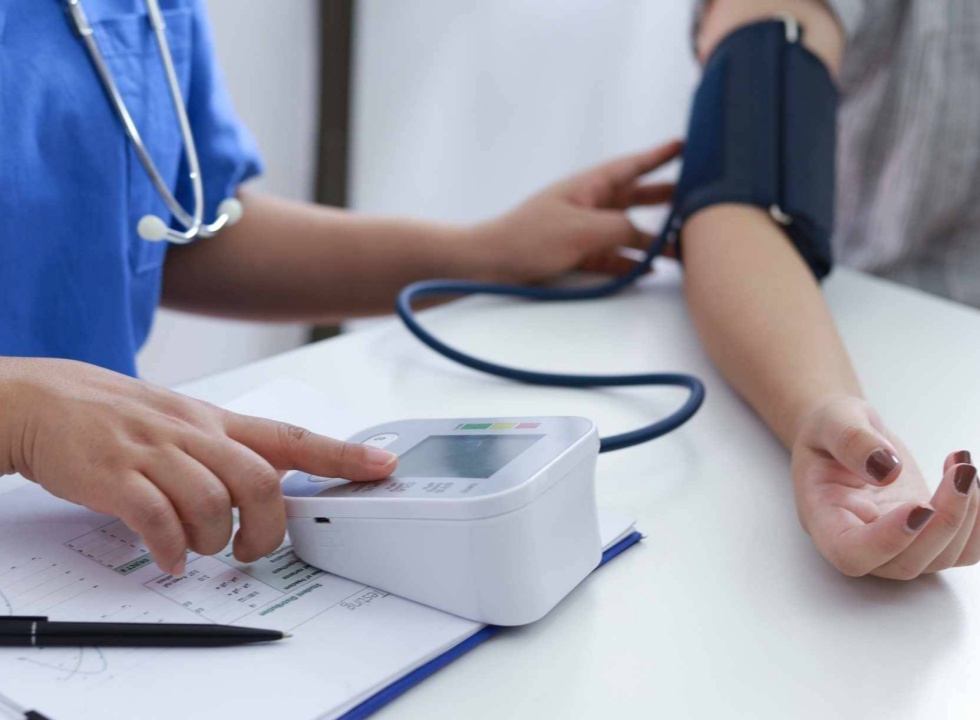
How Health Screenings Can Enhance Your Well-Being
Health screenings play a vital role in maintaining overall wellness and preventing serious health issues. Many people overlook these check-ups, thinking they are only necessary when feeling unwell. However, regular screenings can catch potential problems early, making treatment more effective and often less invasive. Embracing a proactive approach to health through screenings can lead to a longer, healthier life.
Starting with the basics, understanding which screenings are appropriate for different age groups and risk factors is essential. For instance, adults generally benefit from routine blood pressure checks, cholesterol tests, and diabetes screenings. Women may need to schedule mammograms and Pap smears, while men should consider prostate exams as they age. Tailoring screenings to individual health needs ensures that everyone receives the care they require.
Scheduling these screenings can sometimes feel overwhelming, but planning ahead makes it easier. Many healthcare providers offer reminders for upcoming appointments, which can help keep health on the radar. Setting aside time for these check-ups should be seen as an investment in future well-being. Making health a priority can lead to better outcomes and a more active lifestyle.
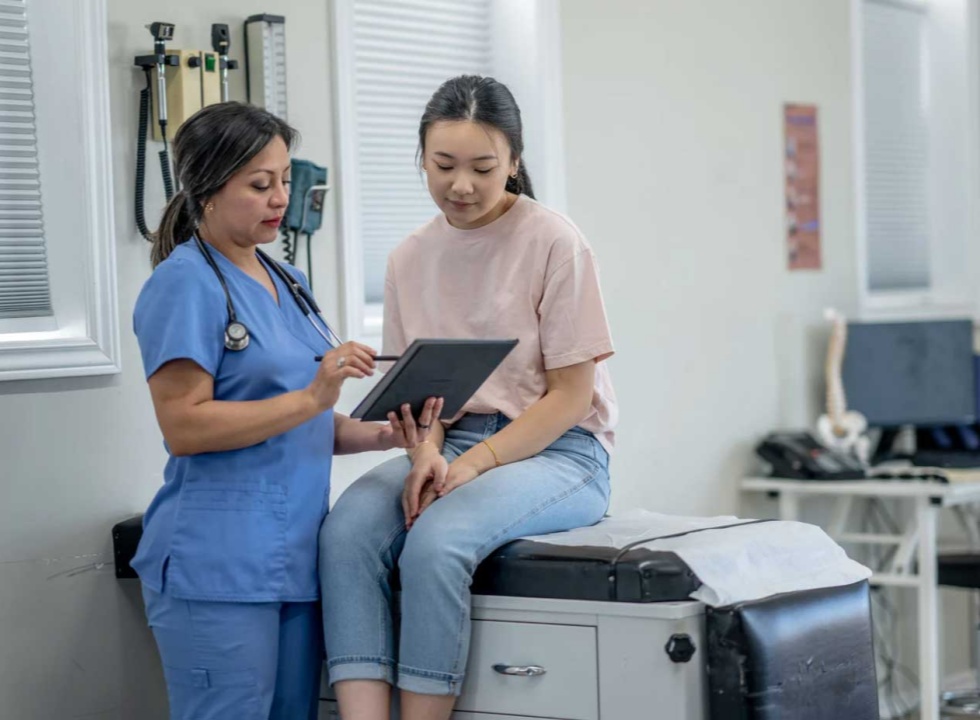
Communication with healthcare professionals is another crucial aspect of health screenings. Being open about personal and family medical histories allows doctors to recommend appropriate tests. Discussing any concerns or symptoms, no matter how minor they may seem, can lead to valuable insights. This dialogue fosters a partnership between patients and providers, enhancing the overall healthcare experience.
Preparation for screenings can vary depending on the type of test. Some may require fasting or specific instructions, while others are straightforward. Knowing what to expect can ease anxiety and make the process smoother. Many clinics provide information on how to prepare, which can be helpful in alleviating any uncertainty.
After receiving screening results, understanding what they mean is vital. Some results may indicate the need for further testing or lifestyle changes. Taking the time to discuss these findings with a healthcare provider can clarify any confusion and outline the next steps. Being proactive about addressing any issues can lead to better health outcomes.
Incorporating healthy habits into daily life can complement the benefits of health screenings. Regular exercise, a balanced diet, and adequate sleep contribute significantly to overall well-being. These lifestyle choices can also improve screening results, making it easier to maintain good health. Engaging in activities that promote physical and mental wellness can enhance the effectiveness of any healthcare plan.
Encouraging friends and family to participate in health screenings can create a supportive environment. Sharing experiences and motivating each other to stay on top of health can foster a culture of wellness. Community events focused on health awareness can also provide valuable information and resources.
Making health screenings a regular part of life can lead to significant benefits. By staying informed about personal health needs, maintaining open communication with healthcare providers, and embracing healthy habits, individuals can take charge of their well-being. Prioritizing these check-ups is a proactive step toward a healthier future, ensuring that potential issues are addressed before they become serious concerns.
