
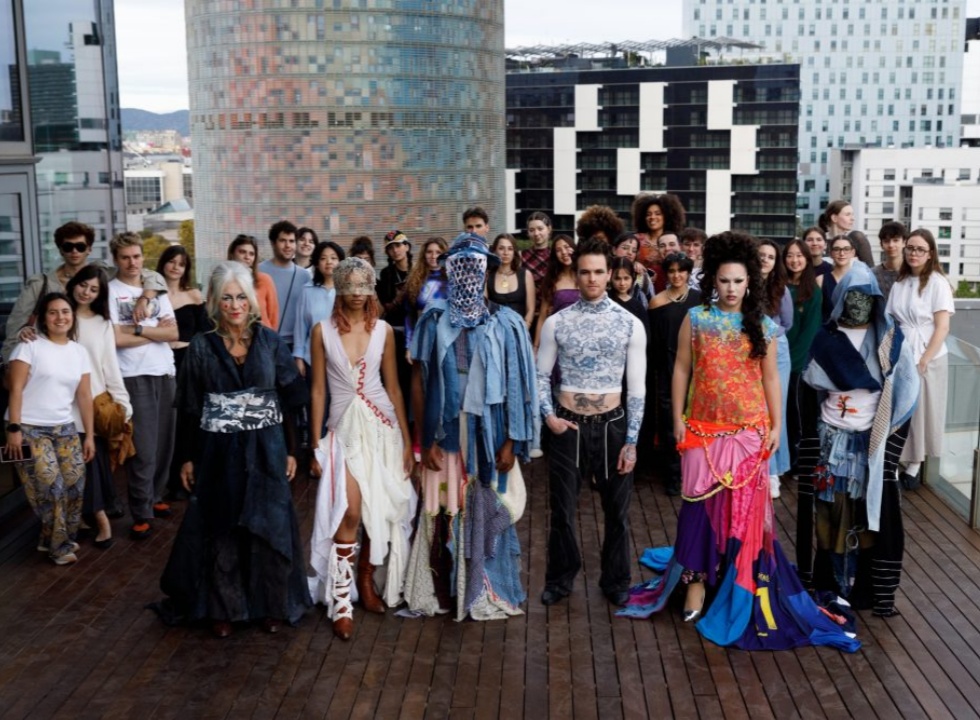
How Designers Are Transforming Fashion Through Cross-Disciplinary Collaborations
In the vibrant world of fashion, collaboration has become a powerful tool for innovation. Designers are increasingly stepping outside their traditional boundaries, teaming up with professionals from different fields to create unique and groundbreaking pieces. This trend not only enriches the creative process but also opens up new avenues for artistic expression. Collaborations unfold can provide valuable insights into the evolving landscape of fashion.
The first step in any successful collaboration is establishing a shared vision. Designers often seek out partners who resonate with their aesthetic and values. This could be an artist, an architect, or even a technologist. The key is finding someone who brings a fresh perspective to the table. For instance, when a fashion designer collaborates with a visual artist, the resulting collection often reflects a fusion of styles, leading to pieces that are not just clothing but wearable art. This blending of disciplines can challenge conventional norms and push creative boundaries.
Once a partnership is formed, brainstorming sessions become vital. These meetings allow both parties to explore ideas, discuss inspirations, and outline the direction of the project. This collaborative dialogue encourages experimentation, where wild concepts can be tossed around without judgment. The interplay of different viewpoints often leads to unexpected solutions, resulting in designs that neither party might have conceived alone. This process is all about synergy, where the whole becomes greater than the sum of its parts.
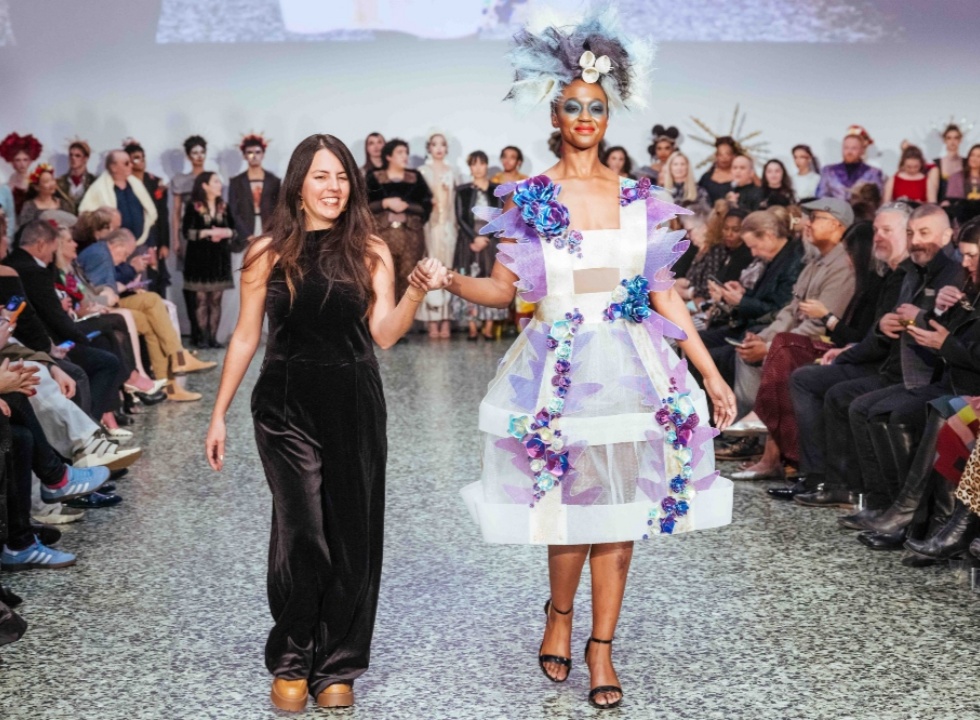
Comes the prototyping phase, where ideas start to take shape. Designers and their collaborators work closely to develop samples that reflect their combined vision. This stage can be particularly exciting, as it allows for hands-on creativity. For example, a fashion designer might experiment with unconventional materials suggested by an industrial designer, resulting in a garment that challenges traditional fabric choices. This phase often involves trial and error, but it’s essential for refining the final product.
Marketing and storytelling play significant roles in the success of these collaborations. Once the designs are ready, they need to be presented in a way that captures the essence of the partnership. This is where effective branding comes into play. Designers often create narratives around their collaborations, highlighting the unique elements that emerged from their joint efforts. This storytelling aspect not only engages consumers but also adds depth to the products, making them more appealing.
The impact of cross-disciplinary collaborations extends beyond just the final product. These partnerships often lead to a cultural exchange that influences both fields involved. For instance, a fashion designer collaborating with a tech innovator might explore sustainable practices, resulting in garments that are not only stylish but also environmentally friendly. This cross-pollination of ideas fosters a culture of innovation, encouraging others in the industry to think outside the box.
The reception of these collaborative efforts can be incredibly rewarding. When consumers embrace the unique offerings that arise from these partnerships, it validates the hard work and creativity that went into the process. The excitement surrounding these collections often creates a buzz in the fashion community, inspiring further collaborations and pushing the industry forward.
The journey of designers engaging in cross-disciplinary collaborations is a testament to the power of creativity and innovation. By merging different perspectives and expertise, they are not just creating fashion; they are reshaping the entire landscape of the industry. This collaborative spirit is what keeps fashion dynamic and ever-evolving, inviting everyone to join in the conversation.
