
How Craftsmanship and Tradition Shape Handmade Design
In a world dominated by mass production, the art of handmade design stands as a testament to the beauty of craftsmanship and tradition. Many artisans dedicate their lives to perfecting their skills, ensuring that each piece they create carries a story and a sense of authenticity. This exploration into the realm of handmade design reveals the deep-rooted values that drive these creators, blending heritage with contemporary aesthetics.
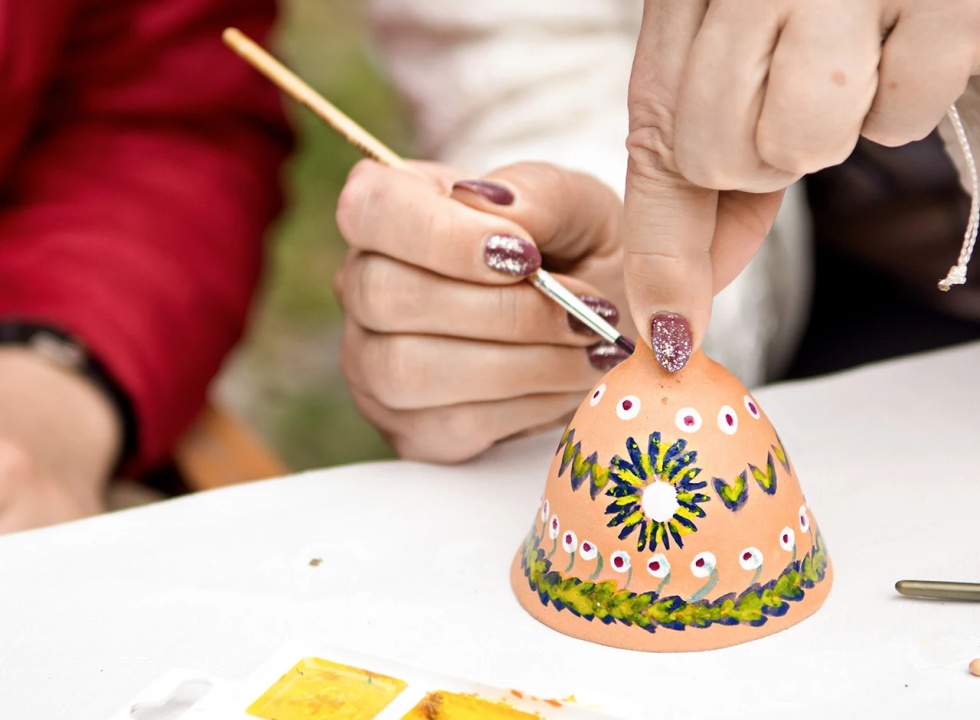
One of the most compelling aspects of handmade design is the meticulous attention to detail. Artisans often spend years honing their techniques, learning from master craftsmen and immersing themselves in the culture surrounding their craft. This dedication results in products that are not only functional but also imbued with character. Each stitch, carving, or brushstroke reflects the artisan’s passion and commitment, making every piece unique. This level of care is something that mass-produced items simply cannot replicate.
Tradition plays a significant role in shaping the identity of handmade design. Many artisans draw inspiration from their cultural backgrounds, incorporating traditional methods and materials into their work. This connection to heritage not only enriches the design process but also fosters a sense of pride and continuity. For instance, a potter might use techniques passed down through generations, creating pieces that resonate with history while still appealing to modern tastes. This blend of old and new invites consumers to appreciate the stories behind the items they choose to bring into their lives.
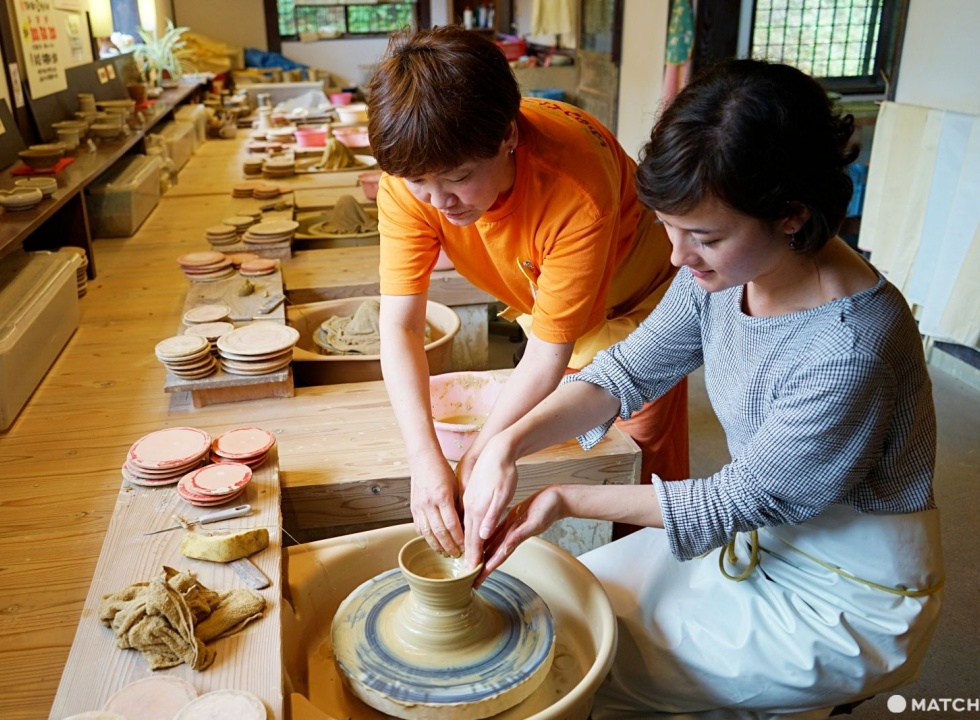
Collaboration within the artisan community also enhances the richness of handmade design. Many creators share techniques and ideas, fostering an environment of support and inspiration. This exchange of knowledge often leads to innovative approaches that honor tradition while pushing boundaries. By learning from one another, artisans can develop their unique styles, resulting in a diverse array of products that reflect a wide range of influences. This sense of community not only strengthens the craft but also creates a network of passionate individuals dedicated to preserving their art.
Sustainability is another important aspect of handmade design. Many artisans prioritize eco-friendly practices, using locally sourced materials and minimizing waste. This commitment to sustainability resonates with consumers who are increasingly aware of their environmental impact. By choosing handmade items, individuals can support artisans who prioritize ethical practices, making a positive contribution to the planet. This connection between craftsmanship and sustainability adds another layer of meaning to handmade products, encouraging consumers to consider the origins of what they purchase.
The emotional connection that handmade design fosters cannot be overstated. When individuals choose to invest in handcrafted items, they often feel a deeper appreciation for the work that goes into each piece. This connection transforms a simple purchase into a meaningful experience, allowing consumers to feel a part of the story behind the creation. Whether it’s a beautifully crafted piece of furniture or a delicate piece of jewelry, the emotional resonance of handmade design enriches everyday life.
As the world continues to evolve, the importance of craftsmanship and tradition in handmade design remains steadfast. The dedication to detail, the celebration of heritage, the spirit of collaboration, and the commitment to sustainability all contribute to a vibrant landscape of creativity. Embracing these values allows artisans to create pieces that not only serve a purpose but also resonate on a deeper level, inviting consumers to appreciate the art of handmade design in all its forms.
