
What Are the Best Ways to Strengthen Your Ligaments
Ligaments play a crucial role in maintaining joint stability and overall mobility. These tough, fibrous tissues connect bones to other bones, ensuring that joints function properly. Ligaments can become weak or injured due to various factors, including age, overuse, or trauma. Strengthening ligaments is essential for preventing injuries and enhancing athletic performance.
A balanced diet is fundamental for ligament health. Consuming foods rich in vitamins and minerals helps support the body’s connective tissues. Vitamin C, found in citrus fruits, strawberries, and bell peppers, is vital for collagen production, which is essential for ligament strength. Additionally, incorporating foods high in omega-3 fatty acids, such as salmon, walnuts, and flaxseeds, can help reduce inflammation and support overall joint health. Staying hydrated also plays a significant role, as water helps maintain the elasticity and function of ligaments.
Regular exercise is another key factor in strengthening ligaments. Engaging in a well-rounded fitness routine that includes flexibility, strength, and stability training can significantly benefit ligament health. Activities like yoga and Pilates promote flexibility and balance, which are essential for preventing injuries. Strength training, particularly exercises that target the muscles surrounding the joints, provides support and stability for ligaments. Focusing on proper form and technique during exercises can reduce the risk of strain or injury.
Incorporating specific exercises aimed at enhancing ligament strength is beneficial. Resistance training, using weights or resistance bands, helps build muscle mass around joints, providing additional support. Functional movements, such as squats and lunges, mimic everyday activities and can improve overall joint stability. Gradually increasing the intensity and complexity of workouts can help ligaments adapt and grow stronger over time.
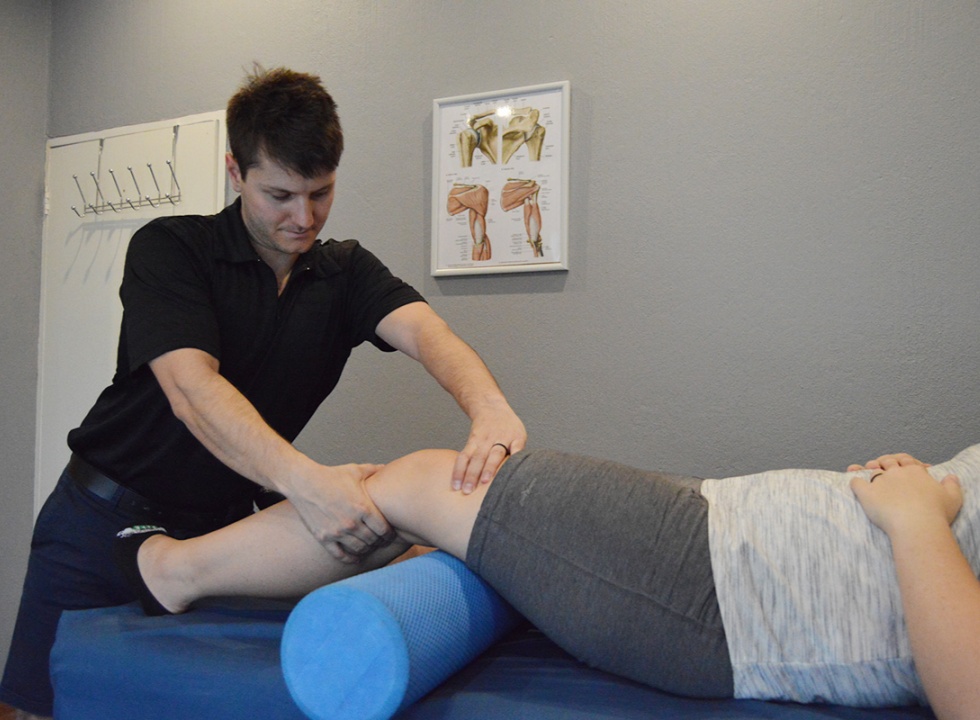
Rest and recovery are equally important for ligament health. Allowing time for muscles and ligaments to recover after intense workouts is crucial for preventing injuries. Incorporating rest days into a fitness routine helps the body repair and strengthen tissues. Gentle stretching and foam rolling can also aid recovery by improving blood flow and reducing muscle tension.
Avoiding repetitive high-impact activities can help protect ligaments from excessive strain. Engaging in a variety of physical activities reduces the risk of overuse injuries, which can weaken ligaments. Listening to the body and recognizing signs of fatigue or discomfort is essential for maintaining ligament health. Making adjustments to workout routines based on how the body feels can prevent potential injuries.
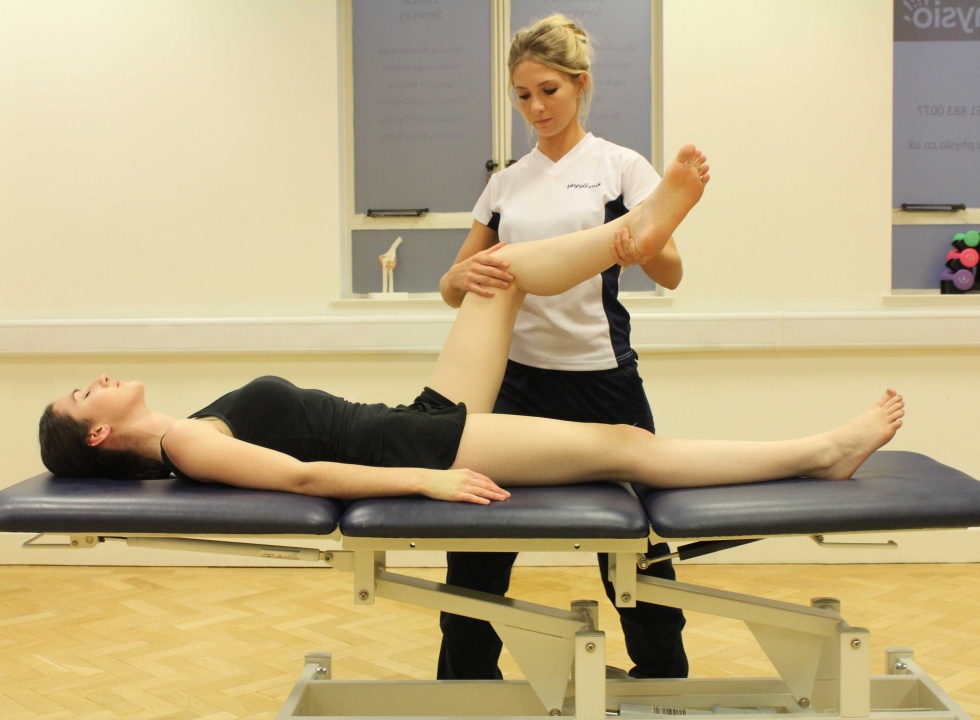
Consulting with a healthcare professional or a physical therapist can provide personalized strategies for strengthening ligaments. These experts can offer guidance on exercises, nutrition, and recovery techniques tailored to individual needs. They can also help identify any imbalances or weaknesses that may need addressing.
Taking proactive steps to strengthen ligaments leads to improved joint stability and overall physical performance. By focusing on a balanced diet, regular exercise, and proper recovery, individuals can enhance their ligament health and enjoy a more active lifestyle. Embracing these practices not only supports ligament strength but also contributes to long-term joint health and mobility.
