
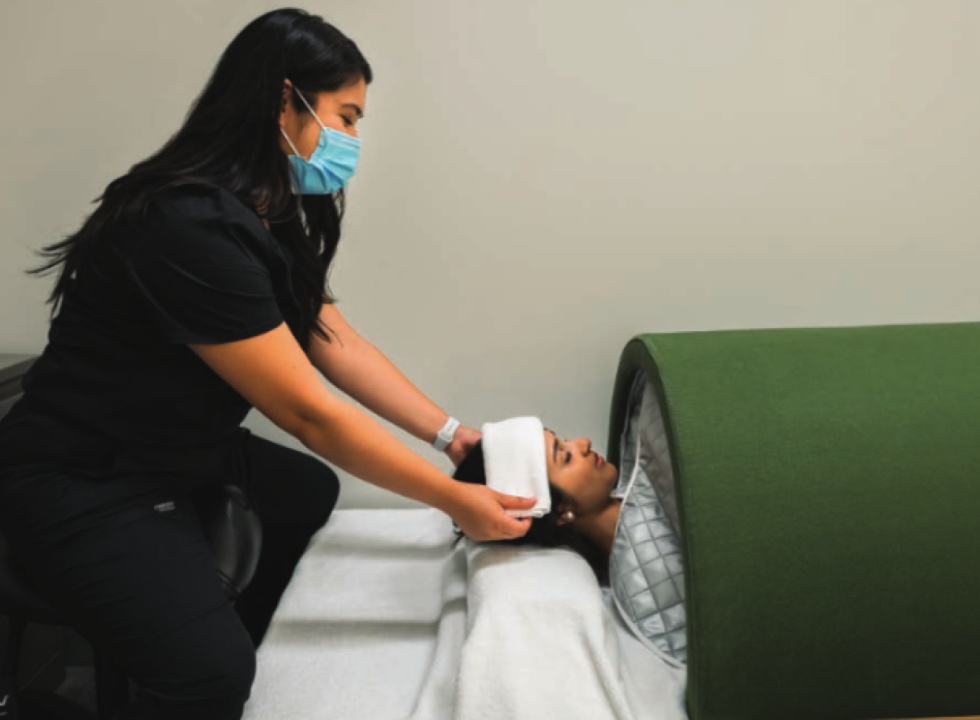
How to Use Heat Therapy for Better Wellness
Heat therapy is a simple yet effective way to promote relaxation and relieve discomfort. Many people turn to heat for various reasons, whether it’s to soothe sore muscles, ease joint pain, or just to unwind after a long day. How to use heat therapy properly can enhance its benefits and improve overall well-being.
Choosing the right heat source is essential. There are several options available, from heating pads and warm towels to hot water bottles and even warm baths. Each method has its advantages, so consider what feels most comfortable. For instance, a heating pad is great for targeted relief on specific areas, while a warm bath can provide a full-body experience that promotes relaxation.
When applying heat, timing is everything. Typically, using heat for about 15 to 20 minutes at a time is effective. This duration allows muscles to relax without the risk of overheating the skin. It’s important to listen to your body; if something feels too hot or uncomfortable, adjusting the temperature or duration is wise.
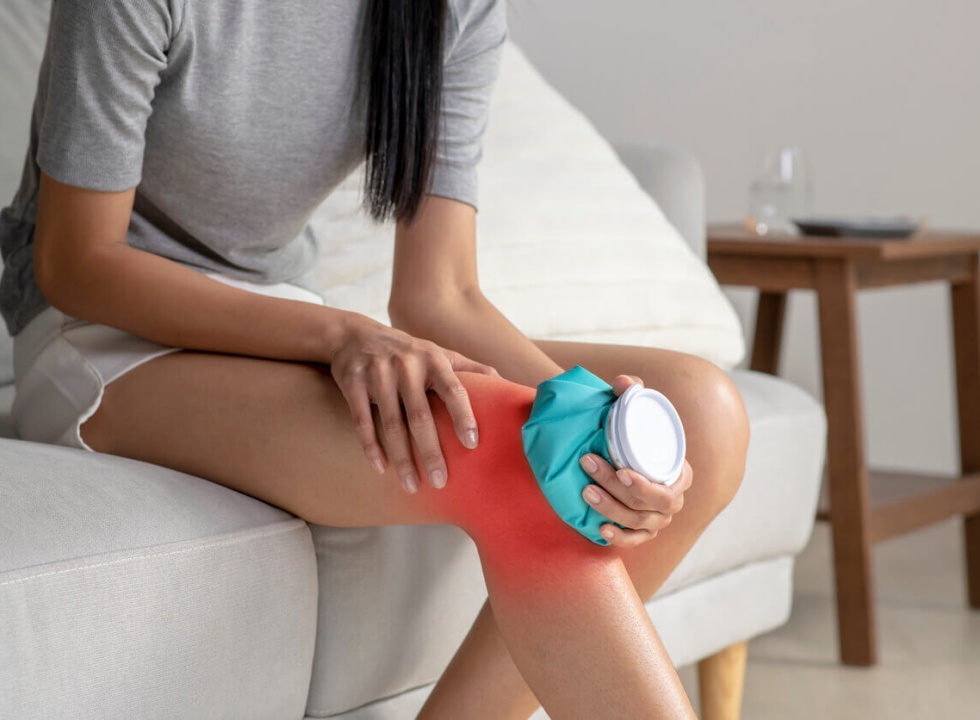
Creating a cozy environment can enhance the heat therapy experience. Finding a quiet space where you can relax without interruptions makes a big difference. Consider adding soft music or dimming the lights to create a soothing atmosphere. Using a comfortable blanket can also help retain warmth, making the experience even more enjoyable.
Incorporating heat therapy into a routine can be beneficial. Many people find it helpful to use heat after workouts to alleviate muscle tension or before bed to promote relaxation. This practice can signal to the body that it’s time to unwind, making it easier to fall asleep.
Hydration is another vital aspect when using heat therapy. Heat can cause the body to lose moisture, so drinking water before and after a session is essential. Staying hydrated helps maintain overall health and ensures that the body can recover effectively.
Paying attention to any underlying conditions is crucial. While heat therapy is generally safe, certain conditions like inflammation or open wounds may require caution. Consulting with a healthcare professional can provide guidance on the best approach for individual needs.
Experimenting with different methods and routines can help discover what works best. Some may prefer moist heat, like a warm towel, while others might find dry heat from a heating pad more effective. Keeping track of what feels good can lead to a more tailored experience.
Using heat therapy can be a wonderful addition to self-care routines. By choosing the right methods, creating a soothing environment, and staying mindful of hydration and individual needs, anyone can reap the benefits of heat therapy. Embracing this simple practice can lead to enhanced relaxation and improved overall wellness.
