
Why Core Stability Matters for Everyone
Core stability is a topic that often comes up in fitness discussions, and for good reason. Having a strong core goes beyond just looking good in a swimsuit. It plays a crucial role in overall health and performance, impacting everything from daily activities to athletic performance. The importance of core stability can motivate anyone to incorporate exercises that strengthen this area.
The core consists of more than just the abdominal muscles. It includes the muscles in the back, hips, and pelvis, all working together to provide support and stability. A strong core helps maintain proper posture, which is essential for reducing strain on the spine and preventing injuries. Good posture allows for better alignment during activities, whether sitting at a desk or lifting heavy objects. This alignment minimizes the risk of back pain and other related issues.
Engaging in core stability exercises can also enhance athletic performance. Many sports require a strong core for balance and coordination. Activities like running, cycling, and even swimming benefit from a stable core, allowing for more efficient movement. When the core is strong, it helps transfer power from the lower body to the upper body and vice versa. This transfer of energy not only improves performance but also reduces the risk of injury during physical activities.

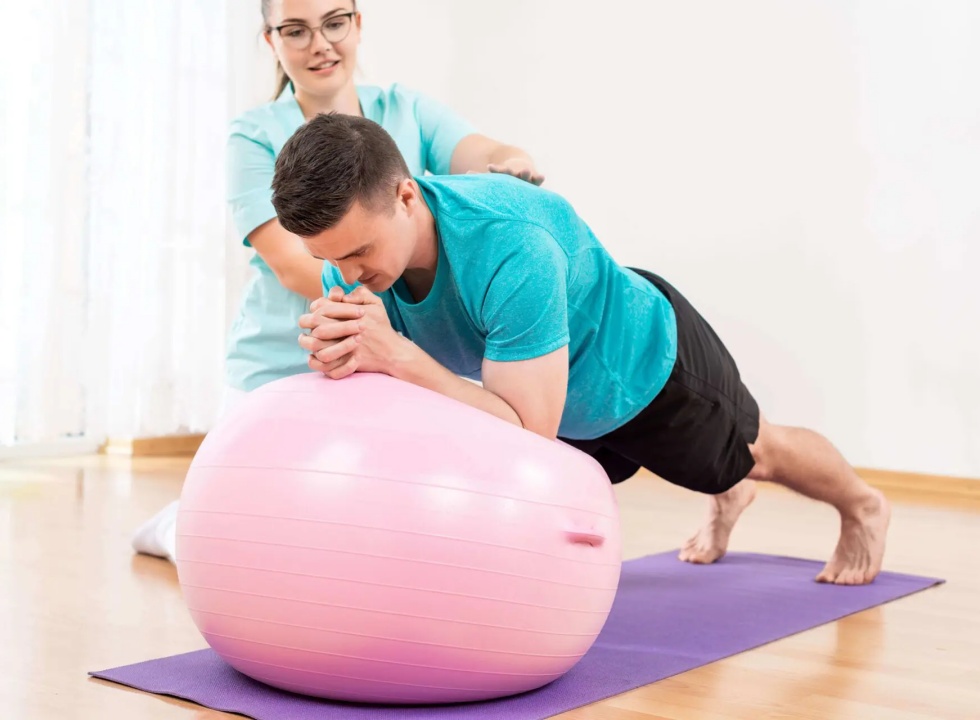
Incorporating core stability training into a fitness routine doesn’t have to be complicated. Simple exercises like planks, bridges, and bird-dogs can effectively target core muscles. These movements engage multiple muscle groups, promoting strength and stability. Even activities like yoga and Pilates focus on core engagement, making them excellent options for anyone looking to improve stability while also enhancing flexibility.
Another significant benefit of core stability is its impact on everyday life. A strong core makes daily tasks easier, whether it’s carrying groceries, playing with kids, or engaging in hobbies. It provides the strength needed to perform these activities without straining the body. As core strength improves, individuals often notice increased energy levels and a greater ability to tackle daily challenges.
Additionally, core stability plays a role in injury prevention. Weak core muscles can lead to compensatory movements, putting extra strain on other areas of the body. This can result in injuries over time, especially for those who are active. By strengthening the core, individuals can create a more balanced body that is better equipped to handle physical demands.
Mental focus is another aspect tied to core stability. Engaging in core exercises often requires concentration and mindfulness, which can translate to improved mental clarity in other areas of life. This connection between physical and mental strength highlights the holistic benefits of core stability training.
Making core stability a priority can lead to a healthier, more active lifestyle. It supports better posture, enhances athletic performance, and simplifies daily tasks. By incorporating core exercises into a regular routine, anyone can experience the benefits of a stronger, more stable core. Embracing this aspect of fitness can lead to lasting improvements in overall well-being.
