
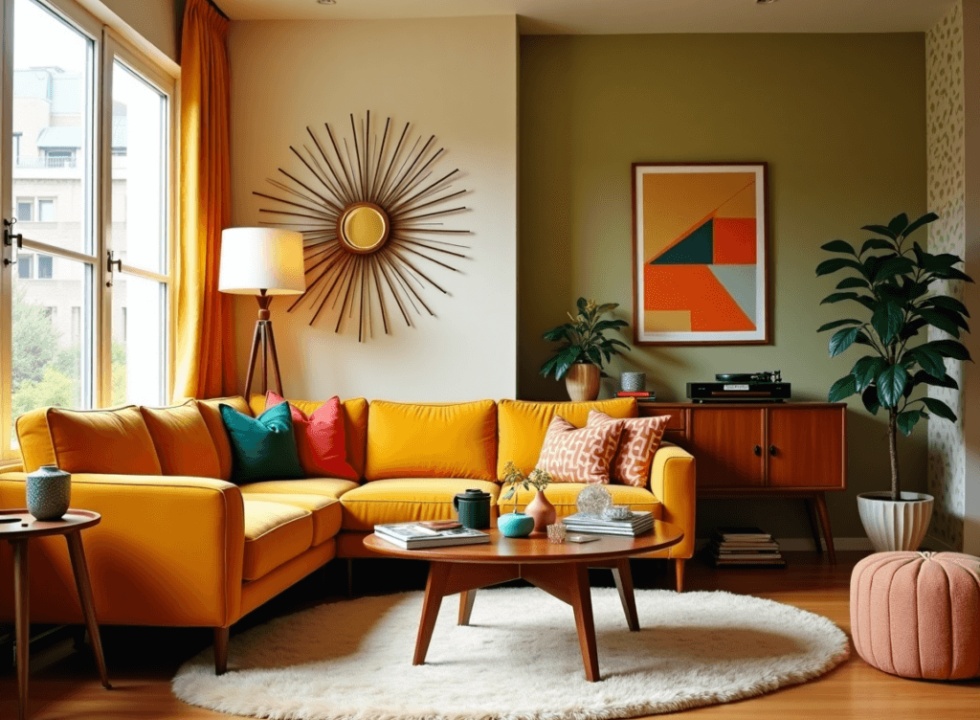
What Captivates Us About Retro Style in Design
Cross-disciplinary designers are truly shaking things up in the creative world. By merging ideas and techniques from different fields, they’re not just crafting unique products but also reshaping entire industries. This blending of disciplines brings fresh perspectives and innovative solutions that traditional designers might overlook.
Take, for example, the collaboration between fashion and technology. Designers are now creating smart clothing that not only looks good but also serves practical purposes. Imagine wearing a jacket that can monitor your health or a pair of shoes that adjusts to your walking style. This kind of innovation comes from thinking outside the box and pulling inspiration from various sources. It’s about understanding the needs of consumers and finding ways to meet those needs through design.
Sustainability is another area where cross-disciplinary designers excel. Many are incorporating eco-friendly materials and practices into their work. By combining insights from environmental science with design principles, they create products that are not only stylish but also kind to the planet. This shift is more than just a trend; it reflects a growing consumer demand for responsible choices. Designers who embrace sustainability often find their work resonates deeply with audiences who care about the environment.
User experience is also a key focus for these designers. By studying human behavior and psychology, they craft experiences that truly engage users. This means designing products or spaces that are intuitive and enjoyable to use. Whether it’s an app interface or a public space, the goal is to create something that enhances everyday life. This empathy-driven approach can lead to designs that feel personal and relevant, making a lasting impact.
Networking plays a vital role in the success of cross-disciplinary designers. By connecting with professionals from various backgrounds, they can exchange ideas and collaborate on projects that push boundaries. This kind of synergy often leads to unexpected and exciting outcomes. Designers who actively seek these connections stay ahead of trends and gain insights that might not be available within their own disciplines.
Marketing is another area where cross-disciplinary designers shine. Their ability to tell a compelling story about their work helps them connect with a wider audience. By using social media and other platforms, they can showcase their unique vision and engage with potential customers. This visibility is crucial in a competitive landscape where standing out is essential.
Adaptability is a hallmark of successful cross-disciplinary designers. They’re open to experimenting with new technologies and trends, which allows them to pivot when necessary. This willingness to embrace change often leads to innovative solutions that capture attention and inspire others.
Cross-disciplinary designers are truly redefining what it means to create. Their ability to innovate, connect, and adapt sets them apart in a crowded market, paving the way for a future where design knows no boundaries.
